![Create a logo for a science-focused website [that embodies innovation] [and curiosity] [while exuding a modern and sleek aesthetic] that reflects a passion for scientific exploration. [It should integrate scientific elements] [and incorporate a sense of discovery].](https://scie99.blog/wp-content/uploads/2024/03/img-hxn9yfw6zqxcvavcolisqsxq.png)
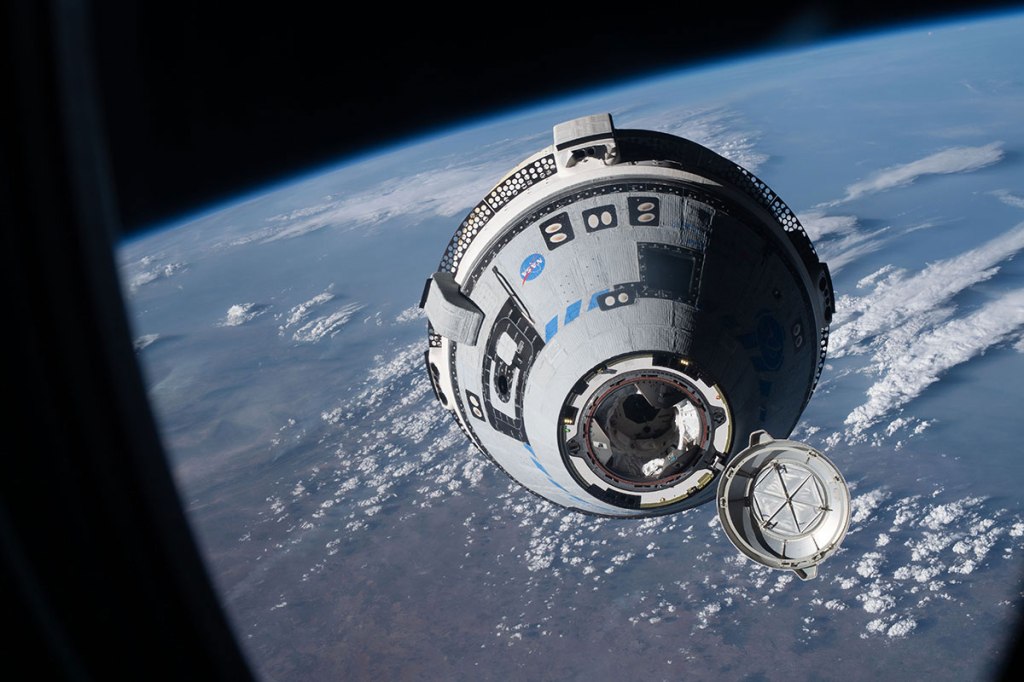
Human space exploration is a dangerous gamble. Even the slightest mistake can have devastating consequences. Incidents such as the destruction of space shuttles Challenger and Columbia, the Apollo 13 moon mission and the story of Vladimir Komarov are stark reminders of the danger endured by astronauts during these missions. Hence the partial failure of Boeing Starliner’s first crewed test flight has been in the limelight. Whether it is Incompetency, design flaw or anything else, this test flight would have put the lives of its occupants, Sunita Williams and Barry Wilmore in danger. But what exactly happened and why? Let us explore
The Crew commercial program (CCDev)
Let us rewind to the late 2000s. The sun is about to set on the iconic space shuttle program. After this, NASA will lack the capability to launch humans to the International Space Station (ISS) on its own. They will have to be dependent on the Russian Soyuz spacecraft. Hence The NASA Authorization Act of 2010 included $58 Billion worth of funds, part of which would be used for a new human space flight program called the Commercial Crew Program (CCDev). Under the CCDev, multiple private companies were given seed funding to develop concepts and technologies to replace the existing space shuttle program. Some of the key requirements included:
- Safe delivery of 4 astronauts and their equipment to the ISS
- Assured the safe return of the astronauts in case of an emergency.
- Capable host the astronauts for at least 24 hours in an emergency.
- Capable of remaining docked at the ISS for at least 210 days.
After multiple development phases, in 2014 SpaceX’s Crew Dragon and Boeing’s Starliner were chosen.
Salient features of the Boeing Starliner
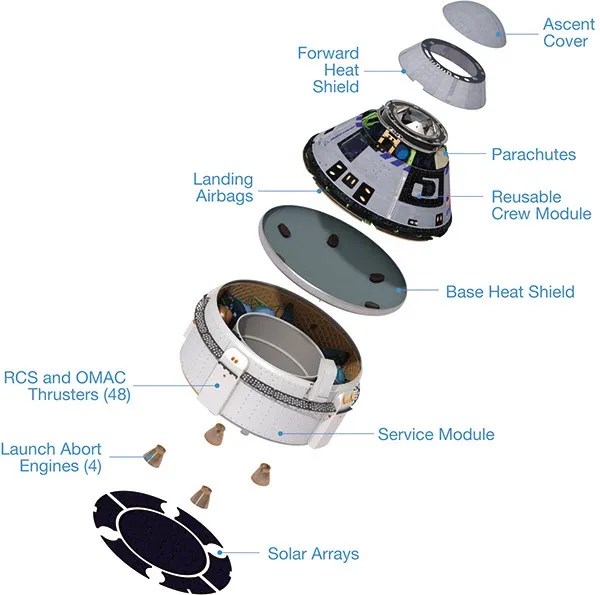
The Starliner spacecraft consists of 2 major parts.
- Crew module (CM): The CM is a reusable capsule designed to carry up to 7 astronauts at a time. Unlike previously designed US crew capsules that landed in the ocean, CM has been fitted with airbags, making a safe land-based touchdown possible. The CM is also equipped with a heat shield made of the revolutionary Boeing Lightweight Ablator (BLA) material. BLA heatshields are lighter, which helps improve the spacecraft’s performance and ensures protection while entering the Earth’s atmosphere.
- Service module (SM): The SM is the bottom section of the Starliner and it mainly consists of the propulsion system that powers and controls the spacecraft. A combination of thrusters aboard the propulsion system is instrumental in manoeuvring the spacecraft towards and away from the ISS, post-launch and during the earth reentry phase respectively. 64 thruster engines have been installed aboard the SM and are utilised using propellants (fuels) like Hydrazine.
The first signs of trouble.
In December 2019, NASA and Boeing were scheduled to conduct the ‘uncrewed’ orbital flight test (OFT – 1) for the Starliner. The plan for OFT–1 on the 20th of December 2019 was to dock the empty CM with the ISS successfully and then return to Earth. However, when the Starliner separated from its launch vehicle (Atlas V rocket), instead of firing its orbital manoeuvring and attitude control (OMAC) thrusters to raise its orbit to that of ISS, the Starliner did…. nothing. It just kept on floating around and the NASA and Boeing engineers had to send commands to guide the Starliner towards ISS manually. It was later revealed that the mission clock aboard the Starliner (also known as mission elapsed timer (MET)) was offset by almost 11 hours due to a software glitch. Simply put, the glitch caused the OMAC thruster burn to be theoretically delayed by 11 hours.
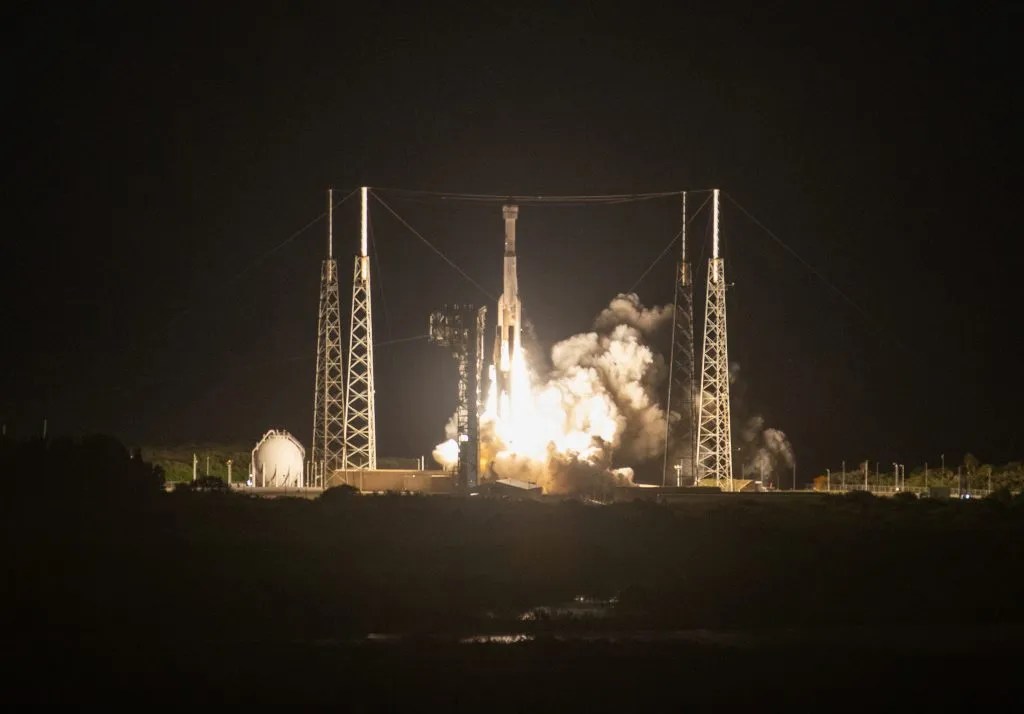
Attempts at manual manoeuvring caused excessive fuel burn, and eventually, it was deemed that the Starliner would not have enough fuel to make it to the ISS and back. Hence, the ISS docking plan was scrapped, and the Starliner was commanded back to Earth. Later, Boeing VP John Mulholland did accept that the on-ground tests were only conducted in separate segments instead of integrated end-to-end tests, which may have led to software glitches.
A Second attempt at success
A second attempt called OFT–2 was scheduled for 2020 but was delayed due to new issues concerning the propulsion system. Corrosion in the valves of the propulsion system was one of the prominent issues, which also caused a bit of tussle between Boeing and Aerojet Rocketdyne, the company which made these valves and the thrusters, regarding the responsibility for these issues. OFT-2 was finally launched successfully on 19th May 2022. The Starliner docked with the ISS on 20th May and landed back on Earth successfully on 25th May. However, this mission was also marred by problems such as multiple thruster failures, though these failures were not critical to the mission.
D-day
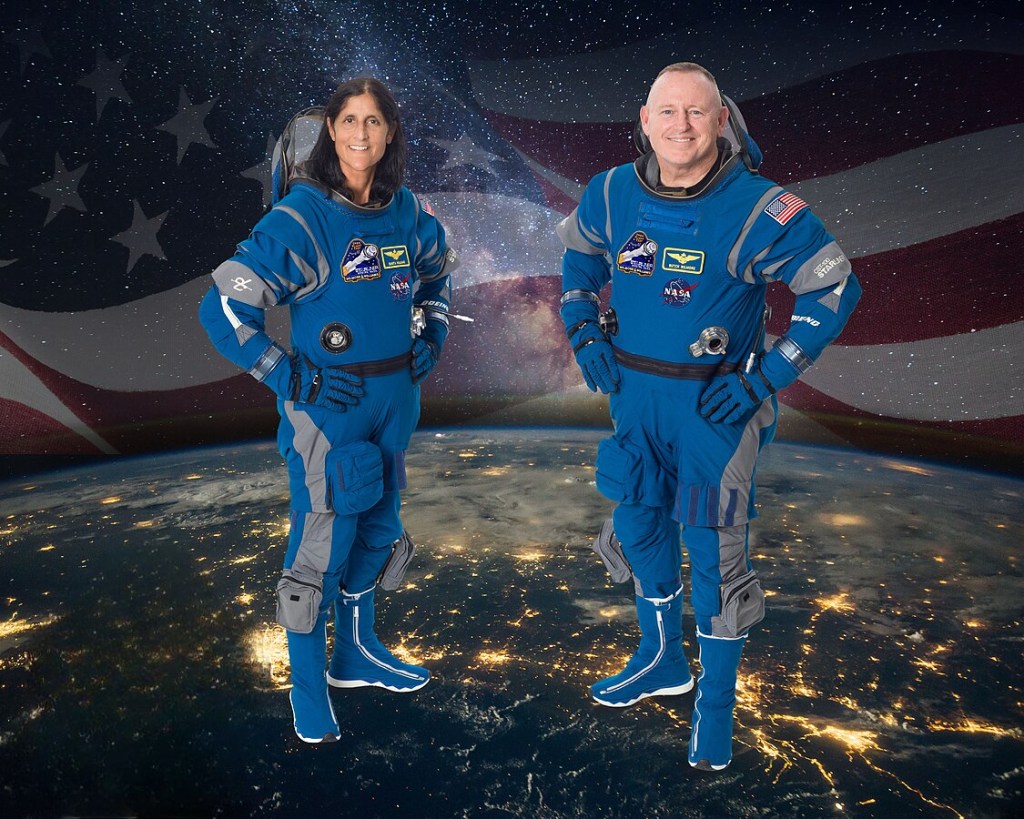
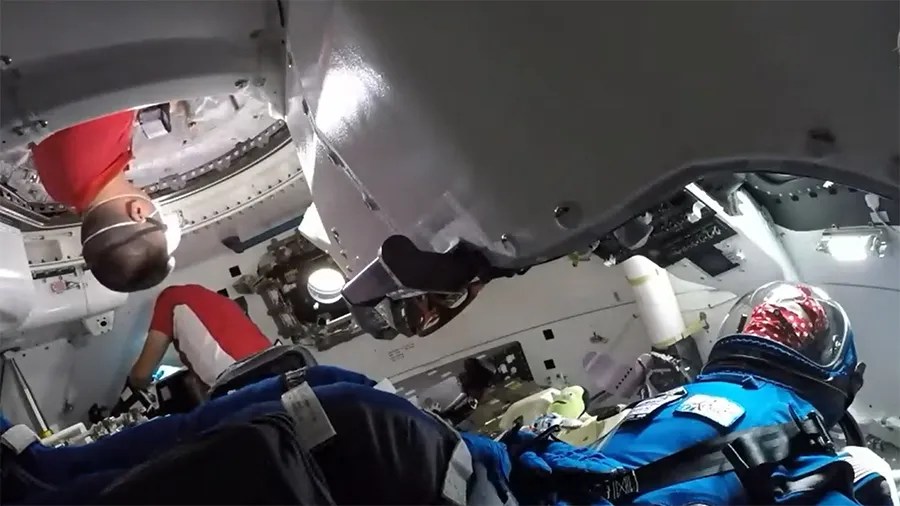
Over the next 2 years, Boeing and NASA worked on resolving the issues detected during OFT-2 and conducting tests to assess the viability of manned missions aboard the Starliner. Barry Wilmore and Sunita Williams, 2 of the most experienced astronauts were assigned to pilot this mission dubbed the Boeing Crew Flight Test (Boe-CFT). The flight plan would be similar to the previous OFT missions with a major difference being that the crew would spend about 8 days aboard the ISS, testing the systems of the Starliner.
The launch scheduled for April 2024 was delayed multiple times due to further technical issues detected during pre-launch tests. Helium leaks were a prominent issue (Helium is used as a tracer gas in the propulsion system to detect leaks). NASA and Boeing deduced that these leaks would not affect the mission and hence were not repaired.
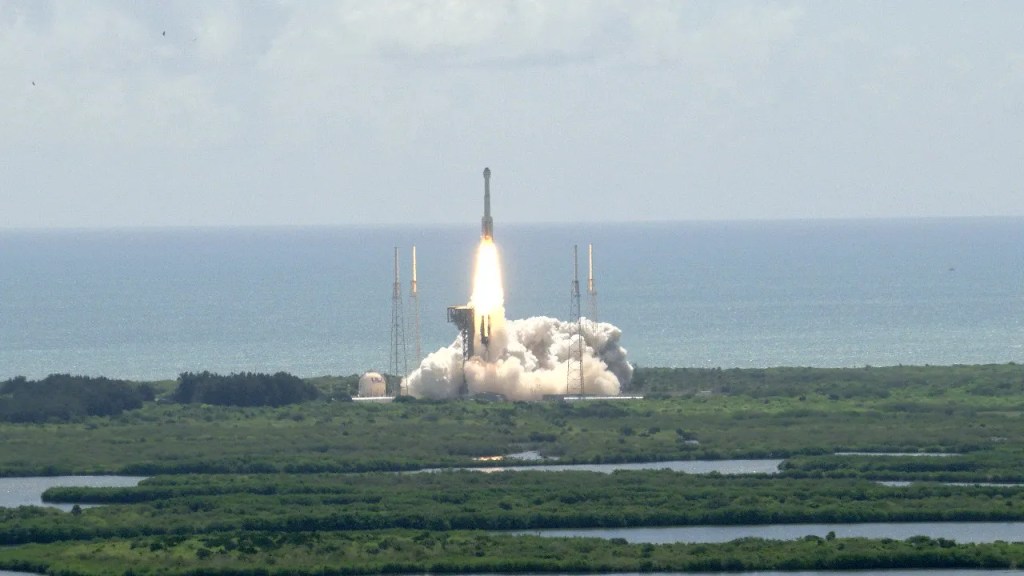
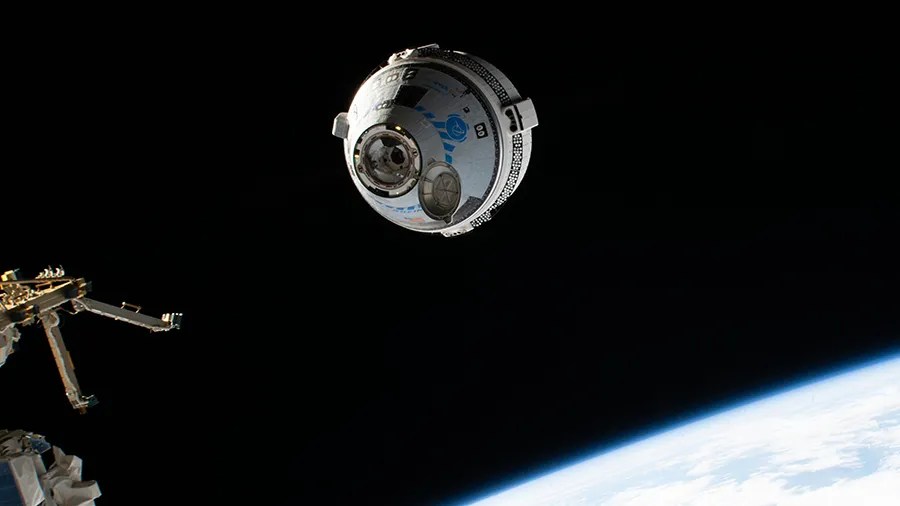
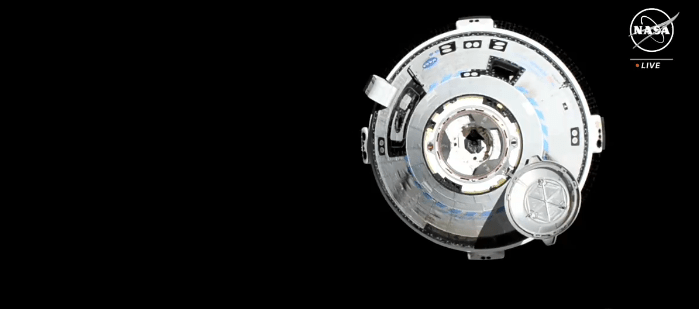
Eventually, the Boe-CFT mission was launched on June 5 2024 and successfully injected into orbit. A few hours later 2 new helium leaks were detected in the propulsion system. Unlike the previous OFT missions, there were actual humans aboard the CM this time, so these leaks were a cause for concern. To mitigate this, 6 thrusters had to be disabled, and the mission was deemed to continue as planned. But the situation further worsened as the Starliner neared the ISS when 5 more thrusters failed which severely affected the Starliner’s ability to maneuver. Wilmore and Williams had to resort to manual controls to prevent any mishap due to the spacecraft’s proximity to the ISS. Eventually, the thrusters were restarted and the Starliner docked with the ISS on June 6.
Assessing the malfunctions
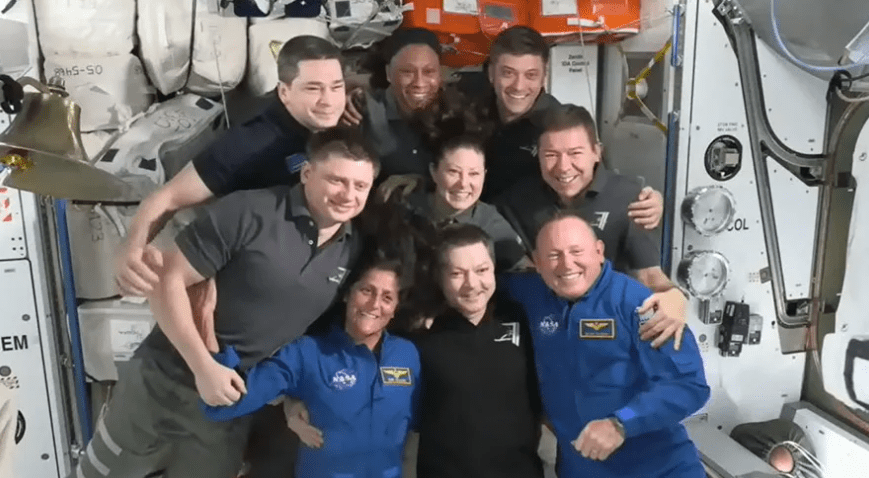
Considering the difficulties that occurred during the launch and docking, Boeing and NASA teams painstakingly tried to determine the causes of these new malfunctions over the following days and weeks. This led to the crew as well as the Starliner extending their stay aboard the ISS. Both NASA and Boeing were clear about the fact that unless the root cause for these thruster malfunctions and helium leak issues were fully understood and resolved, the Starliner would not be approved to return. More than 2 months later, NASA announced that the Starliner would return to Earth uncrewed. This meant that NASA and Boeing had not managed to completely understand or resolve the issues aboard the spacecraft. Hence it obviously was not safe to bring back astronauts aboard a faulty spacecraft. But then how would Williams and Wilmore come back?
The Rescue Plan
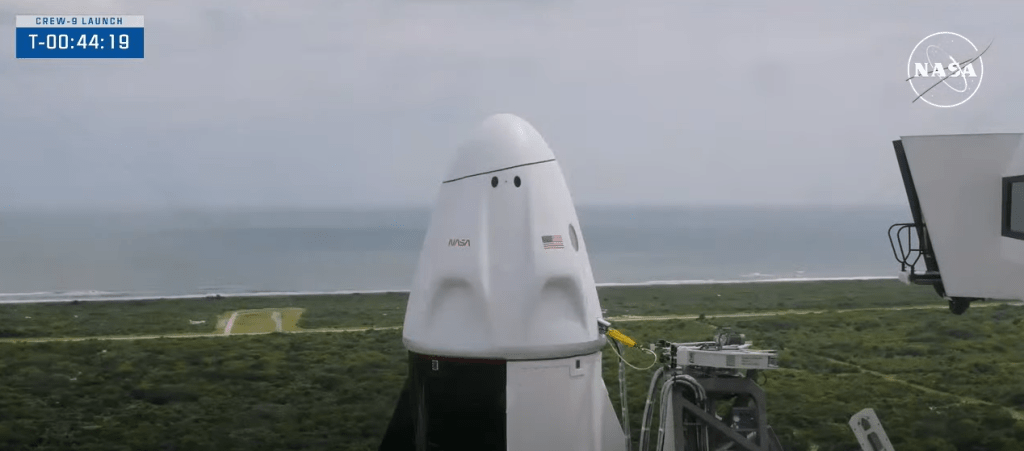
The SpaceX crew-9 mission aboard the SpaceX Dragon spacecraft was scheduled to launch with 4 other astronauts in August 2024. Unlike the Boe-CFT which was only a test mission, this was a proper mission with a time duration of about 6 months. But this mission had to be delayed to September as the Starliner had occupied the SpaceX Dragon’s docking port aboard the ISS. NASA decided to send only 2 astronauts on the crew-9 mission, reserving the remaining 2 seats for the stranded Starliner crew. This meant that Wilmore and Williams, who were only scheduled to spend 8 days aboard the ISS, would now be spending almost 8 months in space before returning along with the Crew-9 mission astronauts in February 2025. As for the Starliner, on September 6 2024, the uncrewed spacecraft was undocked from the ISS and 6 hours later landed safely in New Mexico, US.
Final Thoughts
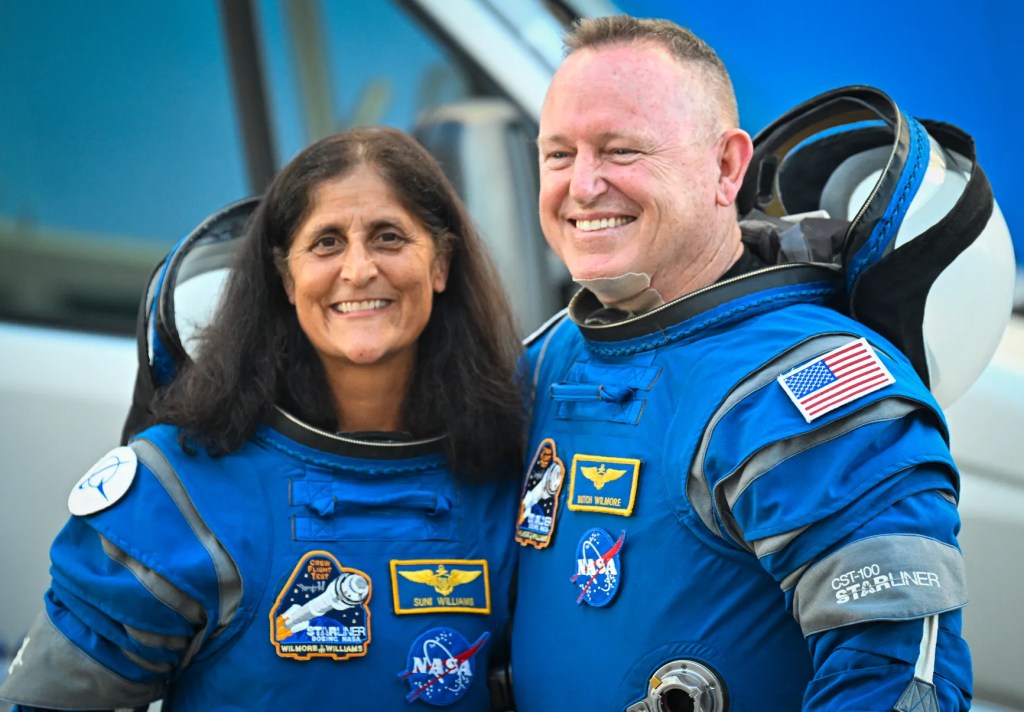
In the past, NASA has frequently collaborated with Boeing on many successful projects like the ISS, the space shuttle program as well as the Saturn V rocket which launched the Apollo moon missions. Hence it is very strange and unusual to see Boeing struggle with the Starliner project. As of October 2024, Boeing has yet to provide any major update on the cause of the malfunctions during the CFT. Knowing the fact that Boeing has been a pioneer in aerospace and aviation, there is some hope that these malfunctions will be resolved once and for all.
References
- https://www.nasa.gov/mission/boeing-crewflighttest/
- https://blogs.nasa.gov/boeing-crew-flight-test/category/boeing/
- https://arstechnica.com/space/2024/05/the-surprise-is-not-that-boeing-lost-commercial-crew-but-that-it-finished-at-all/
- https://www.reuters.com/business/aerospace-defense/exclusive-boeing-clashes-with-key-supplier-ahead-starliner-spacecraft-launch-2022-05-11/
- https://arstechnica.com/space/2024/06/after-a-drama-filled-day-boeings-starliner-finally-finds-its-way/
- https://spacenews.com/starliner-docks-with-international-space-station-on-crewed-test-flight/
- https://www.cbsnews.com/news/boeing-starliner-launch-first-piloted-test-flight-space/
- https://starlinerupdates.com/category/mission-updates/
- https://arstechnica.com/space/2024/06/after-a-successful-launch-boeings-starliner-runs-into-more-helium-leaks/
- https://spacenews.com/starliner-lifts-off-on-crewed-test-flight/
- https://spacenews.com/starliner-docks-with-iss-for-the-first-time/
- https://blogs.nasa.gov/commercialcrew/


 Scientia
Leave a reply to furrymagazinea72edad271 Cancel reply